Viewed Through the Prism of Responsible Luxury, Salvatore Ferragamo Bags Explored
Environmental responsibility in luxury leather goods once seemed like a contradiction. A label founded upon artisan-finished calfskin, exotic skins and long-standing workshops passed down through generations doesn’t come across as an evident contender for green credibility. Still Salvatore Ferragamo has used the past few years discreetly overhauling how it acquires materials for, manufactures and promotes its bags. What’s emerged is a brand that continues to rely on the artisanal skill Salvatore Ferragamo himself pioneered in Florence in 1927, but that now frames every ferragamo bag within a larger discussion concerning lasting use, conscientious sourcing and reparability. What follows considers what that transformation truly represents for buyers looking through a ferragamo shop these days, and which bags are worth the investment.
Rethinking Worth By Way of Sustainability
Theoretically, a finely built leather bag has always been a eco-conscious object, designed to last decades, not seasons. Where Ferragamo diverges is render that durability explicit and traceable. The brand’s supply chain now includes leather tanned in facilities certified by the Leather Working Group, a body that reviews water use, chemical management and waste handling across tanneries. Some ferragamo bags make use of Vegea, an Italian-developed leather alternative made from wine industry waste, which debuted in Ferragamo’s ready-to-wear before being extended to select accessories.
This matters practically, not just ethically. A bag made from responsibly tanned leather, finished by artisans trained to repair rather than replace hardware, tends to outlive trend cycles. Ferragamo’s after-sales service includes restoration for handles, linings and clasps on many models, which extends the working life of a salvatore bag well past the typical five-to-seven-year lifespan ferregamo.org/handbags of a mass-market handbag. When you calculate cost-per-wear over a decade rather than a single season, the numbers shift considerably in favor of the higher upfront price.
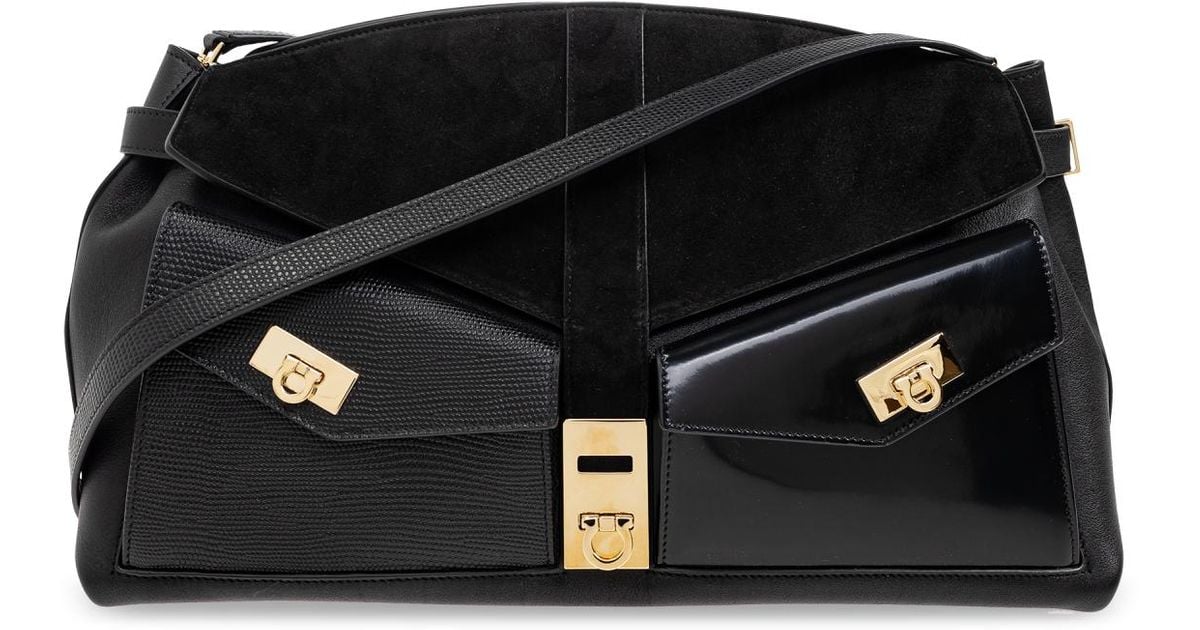
There’s likewise a secondary-market angle. On the resale market, bags with proven authenticity, original dust bags, authenticity cards and minimal wear keep their value. According to data from resale platforms tracking Italian leather goods through 2025, the brand’s classic silhouettes — the Studio bag, the Wanda, the Iconic Gancini-hardware totes — regularly appear on resale platforms, retaining 40 to 60 percent of original retail price when kept in excellent condition. That retained value is itself a sustainability metric: fewer bags discarded, more circulating.
Inside the Ferragamo Bags Lineup: What’s Actually There
Starting any ferragamo bags overview in 2026 means focusing on the Gancini clasp — that linked hardware element that has grounded its accessories signature since the 1970s. It shows up across nearly every category — top-handle bags, crossbody pouches, shoulder totes — and serves as a understated hallmark rather than a shouted monogram. Customers looking for subtle brand markers tend to lean toward these pieces specifically because the design signals legacy without broadcasting a monogram.
The current bag families divide into the groups below:
- Structured top-handle bags, generally in smooth calfskin, aimed at daytime and office wear.
- Relaxed hobo and shoulder styles, often in pebbled or grained leather, built for everyday rotation.
- Small leather goods and crossbody pouches, favored as second bags or evening pieces.
- Tote bags in canvas-leather combinations, some incorporating recycled or organic cotton blends.
- Limited-run seasonal partnerships, which refresh annually and often premiere the brand’s newer sustainable materials first.
Each grouping fulfills a different closet role, and part of making a savvy purchase at a ferragamo shop is matching the bag’s construction to how often and how hard it will actually be used. Under daily heavy use, an unstructured leather hobo will show creasing and shape loss faster than a framed top-handle bag built around an internal frame.
Longest-Lasting Ferragamo Bags for Years of Wear
Those asking which are the best ferragamo bags for a single long-lasting purchase usually get an answer that centers on build quality over decoration. A reinforced base, metal feet and a full leather lining help bags wear more gracefully than those relying on canvas interiors or lightweight coated fabrics. The Studio bag line, structured around a boxy silhouette with a top handle and optional strap, has turned into something of a modern reference point exactly because its construction resists slouching over years of use.
Your color selection also affects how long a bag lasts visually in ways people underestimate. Neutral tones — cognac, black, dark chocolate, deep burgundy — conceal the fine scratching and patina that build up over time on vegetable-tanned leather. Bright seasonal colors, while appealing, often show wear faster and date visually within two or three years as trend colors shift. Anyone building a genuinely sustainable wardrobe, in the sense of buying fewer things and keeping them longer, benefits from prioritizing versatility over of-the-moment shades.
Hardware finish matters too. Gold-tone hardware with a thick plating layer stays untarnished far better than lightly coated alternatives, and Ferragamo’s Gancini clasps are typically finished to a standard that holds up under daily clasping and unclasping for years. Checking hardware weight and clasp action in person, where possible, remains one of the best ways to judge a bag’s expected lifespan before buying.
Best Ferragamo Bags by Use Case
Instead of trend-driven picking, basing your choice on how the bag will actually function tends to create better long-term satisfaction, since varying situations demand dissimilar structures. The chart that follows sets side by side four frequently chosen bag styles within the present collection based on the criteria that matter most for everyday usability and long-term wear.
| Bag Category | Recommended For | Typical Construction Material | Wear-and-Tear Observations |
|---|---|---|---|
| Rigid top-handle style | Professional settings and daytime formality | Fine-grain calfskin | Keeps its silhouette intact and doesn’t collapse over years of use |
| Relaxed hobo or shoulder style | Casual daily rotation | Textured, grainy leather | Easy to carry yet creases more quickly with frequent use |
| Crossbody pouch | Evenings out or minimal-packing trips | Sleek leather or a leather-and-canvas blend | Hardware ages gracefully and the bottom sees less wear compared with totes |
| Canvas-leather tote | Work commute, everyday carry | A canvas base finished with leather trim | Lighter to carry, though the canvas demands extra care against stains |
This kind of comparison is more useful than ranking bags purely by price or popularity, because the ideal bag truly hinges on the way it’s meant to function. Using a crossbody pouch as your everyday office tote will prove unsatisfying fast, in the same way that a structured top-handle bag pressed into service as a gym bag will develop seam wear well ahead of its normal timeline.
Best Salvatore Ferragamo Bags for a Capsule Wardrobe
This minimalist wardrobe idea comes up often among those focused on conscious consumption — it refers to a small, carefully chosen set of pieces serving most purposes without overlap. Translating this to bags and accessories, this means keeping to two or three salvatore ferragamo bags rather than owning many, each selected for its own particular role. A workable capsule collection could feature a single structured, neutral-toned top-handle bag for the office, a soft crossbody bag for weekend outings and travel, and a small evening pouch for events needing minimal capacity.
This way of building a wardrobe reduces overall consumption while continuing to provide the craftsmanship that defines the house. On top of that, it makes the initial investment simpler to rationalize, since every piece proves its worth through regular use rather than sitting in rotation with rarely worn duplicates. Those shopping for salvatore ferragamo bags with this outlook tend to ask store staff especially concerning repair options, leather-care guidance and anticipated upkeep timelines — questions that matter more for keeping a bag for years than seasonal styling advice.
The broader sustainability picture depends partly on regular care. Treating the leather periodically, every few months, storing bags with their shape retained using the original dust bags, and keeping bags out of direct sunlight while stored each help extend the bag’s functional lifespan by a meaningful margin. The customer care teams at Ferragamo usually offer guidance in this area at the time of purchase, and one should ask for it directly rather than assuming general leather-care knowledge will suffice, since finishes vary between smooth calfskin, suede and the newer plant-based materials.
How to Shop Wisely in 2026
For anyone browsing a ferragamo shop this year, whether online or in a boutique, a few practical habits make the process more efficient. First, cross-reference model names against the brand’s official product pages before buying secondhand, since naming conventions have shifted over decades and older ferregamo styles sometimes get mislabeled on resale sites. Second, ask specifically about material composition when sustainability is a priority — not every bag uses the newer alternative leathers, and standard calfskin remains the majority of the lineup.
Thirdly, factor in when you choose to buy. Because Ferragamo, as with most high-end labels, debuts fresh seasonal colorways two times a year, bags from an earlier collection can pick up moderate price adjustments as one season gives way to the next. Buying at these moments can make a genuinely durable bag more accessible without waiting for wider markdowns that rarely materialize on core leather goods.
In the end, responsible luxury is more a matter of mindset than any one green material, namely a mindset: investing in fewer bags overall, choosing ones built to be repaired rather than discarded, and treating a purchase as a decade-long relationship rather than a seasonal transaction. Salvatore Ferragamo’s present-day bag-making practices advances that mindset better than it did ten years ago, and the label’s commitment to transparency around sourcing and to making restoration available gives shoppers substantive facts they can rely on, not just promotional wording.
Leave a Reply